
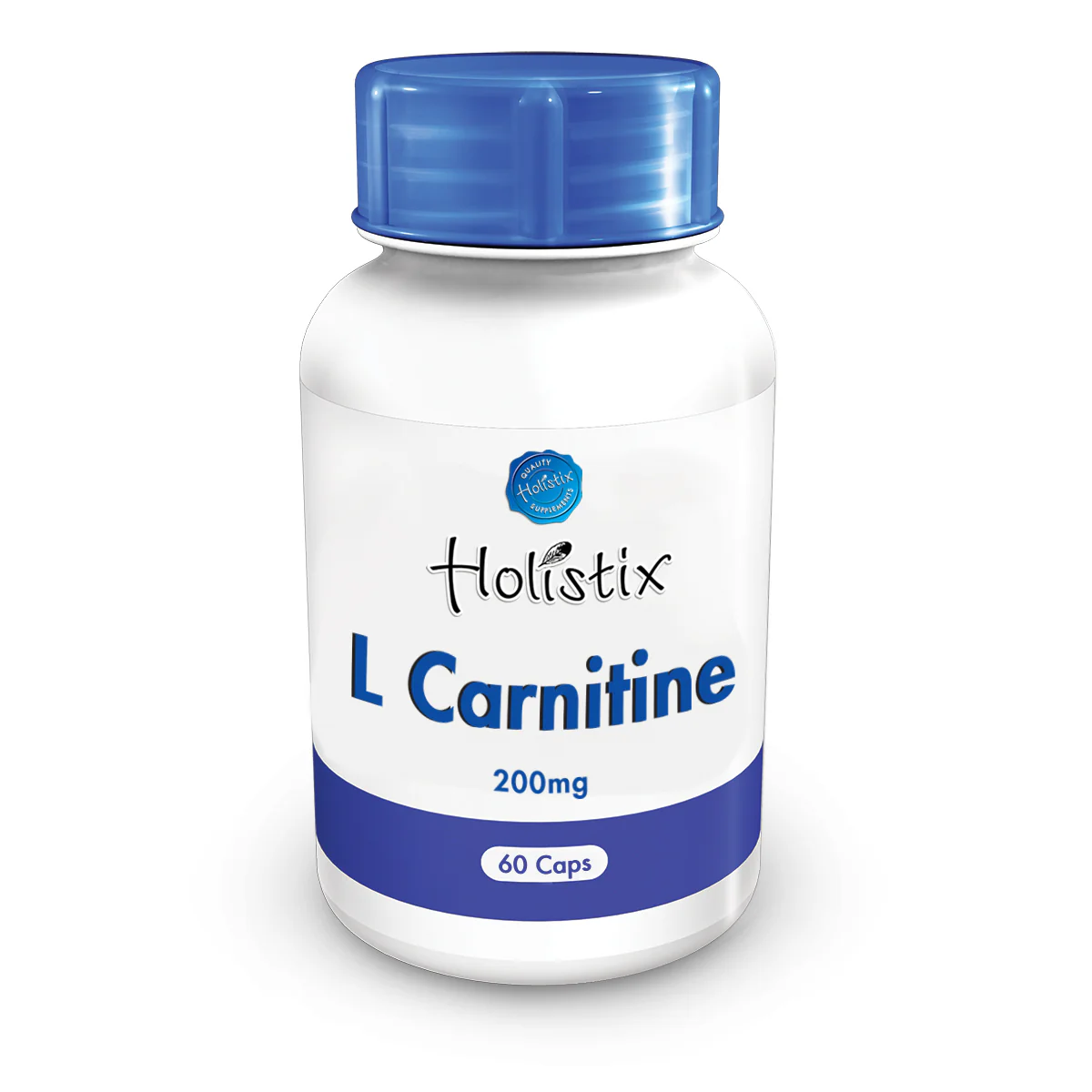

Understanding L-Carnitine (LC) Research
L-Carnitine Fat Metabolism represents a vital amino acid derivative that plays a fundamental role in cellular energy production and fatty acid metabolism. Scientists originally identified this molecule for its essential function in transporting long-chain fatty acids into the mitochondria. Consequently, it has become a primary subject of study for enhancing metabolic efficiency and physiological performance. Many researchers explore its potential to optimize energy utilization and support overall cardiovascular health in laboratory models.
The Mechanism of Action in Energy Production
This molecule works by facilitating the shuttle of lipids across the mitochondrial membrane, where they undergo beta-oxidation to produce ATP. By increasing the availability of fatty acids for fuel, L-carnitine helps preserve glycogen stores during periods of high metabolic demand. Furthermore, it assists in the removal of toxic byproducts that accumulate during the energy production process. As a result, the cellular environment remains more efficient and resilient during intense research observations.
Key Benefits for Fat Metabolism and Performance
One of the primary advantages of using L-carnitine involves its ability to promote significant improvements in metabolic rate and fat oxidation. Moreover, it supports the maintenance of physical endurance by reducing the accumulation of lactic acid within muscle tissues. Users frequently report enhanced recovery times and a noticeable reduction in exercise-induced oxidative stress. Therefore, it serves as a foundational tool for investigators seeking to optimize research into weight management and athletic performance.
Scientific Research and Clinical Observations of L-Carnitine Fat Metabolism
Clinical studies indicate that L-carnitine exhibits high bioavailability and a well-documented safety profile in various experimental settings. Scientists have observed that consistent application effectively supports heart health by improving myocardial energy metabolism. Additionally, the data suggests that it can lead to measurable improvements in cognitive function and neuroprotection over long-term studies. Thus, the scientific community continues to prioritize L-carnitine in the development of metabolic and neurological therapies.
Usage Guidelines and Research Applications
For research purposes, L-carnitine is typically provided in high-purity vials to ensure maximum biological activity and reproducible laboratory results. Investigators must follow precise dosing protocols to achieve accurate observations in metabolic and physiological studies. It is crucial to store the product in a controlled environment to prevent the degradation of its molecular structure. Consequently, maintaining a standardized laboratory setting remains essential for observing the true metabolic impact of the compound.
Why Choose L-Carnitine for Metabolic Support
Choosing L-carnitine offers a comprehensive approach to energy management that general dietary supplements often fail to provide. Because it directly influences the body’s primary energy-producing pathways, it offers a more physiological method for enhancing vitality. In addition to its fat-burning properties, it provides a protective effect on the vascular and muscular systems. Ultimately, L-carnitine stands out as a premier choice for advanced research into metabolic optimization and physical wellness.
Conclusion on L-Carnitine Efficacy
In summary, L-carnitine provides a sophisticated and effective method for enhancing metabolic function through targeted fatty acid transport. Its ability to boost energy production, stabilize metabolic markers, and promote fat loss makes it a cornerstone of modern physiological research. By integrating this compound into a research or wellness protocol, one can expect a higher standard of metabolic care and performance. Therefore, it remains a highly recommended product for those prioritizing long-term health and energy excellence.


Reviews
There are no reviews yet.