
What is PTD-DBM (PTD-1)?
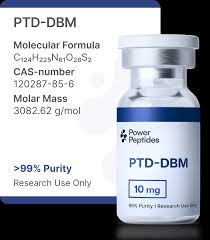
PTD-DBM, also known as PTD-1, is a synthetic “Protein Transduction Domain-fused Dishevelled Binding Motif” peptide. Developed by researchers at Yonsei University, this compound specifically targets the root biochemical causes of androgenetic alopecia. Unlike traditional treatments that merely manage symptoms, PTD-DBM focuses on hair follicle neogenesis—the actual creation of new follicles. It effectively bypasses the cellular membrane to deliver its active motif directly into the target cells. Consequently, it has emerged as one of the most promising candidates in the field of regenerative medicine and hair restoration.
Mechanism of Action: The Wnt Signaling Pathway
The biological function of PTD-DBM hinges on the Wnt/$\beta$-catenin signaling pathway, which is essential for follicle development and wound healing. In balding scalps, a protein called CXXC5 binds to the “Dishevelled” protein, acting as a negative regulator that shuts down hair growth. PTD-DBM acts as a competitor that interferes with this CXXC5-Dishevelled interaction. By blocking this “off switch,” the peptide allows the Wnt pathway to remain active and stimulate stem cell renewal. Thus, it prevents the miniaturization of follicles and encourages the scalp to re-enter the anagen (growth) phase.
Benefits for Hair Follicle Neogenesis of PTD-DBM
The most significant breakthrough associated with PTD-DBM is its ability to induce wound-induced hair follicle neogenesis (WIHN). Research indicates that when the scalp undergoes minor “wounding”—such as through microneedling—the presence of PTD-DBM triggers the formation of entirely new follicles. Furthermore, the peptide has shown remarkable efficacy in accelerating the rate of hair regrowth compared to standard treatments. Because it addresses the genetic signaling environment of the scalp, it can potentially reverse long-standing baldness. Therefore, it provides a unique dual-action benefit of protecting existing hair while generating new growth.
Synergistic Research: PTD-DBM and Valproic Acid
Scientific studies frequently explore the synergy between PTD-DBM and Valproic Acid (VPA) for enhanced results. While PTD-DBM removes the inhibitors of hair growth, Valproic Acid acts as a potent activator of the Wnt/$\beta$-catenin pathway. When researchers combine these two agents, the stimulation of follicle development increases exponentially. This “push-pull” strategy ensures that the signaling pathway is both unblocked and actively driven forward. Many experimental protocols also include microneedling to maximize the absorption and regenerative signaling of these compounds. Consequently, this combination represents the cutting edge of non-surgical hair restoration research.
Storage, Reconstitution, and Topical Application
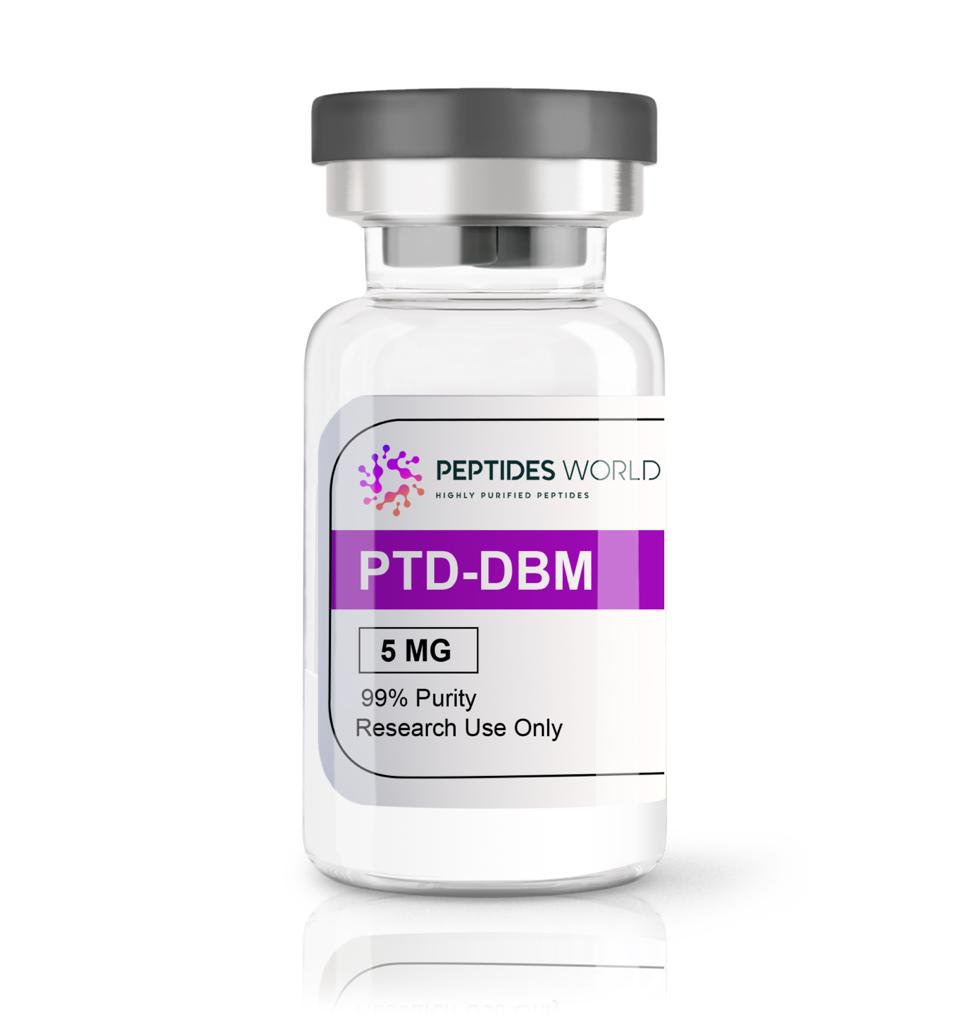
To ensure the stability of PTD-DBM, researchers must follow strict storage and preparation protocols. The peptide usually arrives as a lyophilized powder in 5mg or 10mg vials, which require reconstitution with a suitable solvent, often a specialized topical vehicle or bacteriostatic water. Once you mix the solution, you must keep it refrigerated at 2°C to 8°C to prevent the degradation of its delicate peptide bonds. For research purposes, the solution is typically applied topically to the target area of the scalp. Ultimately, maintaining a cold chain and avoiding exposure to direct sunlight preserves the peptide’s ability to interfere with protein-protein interactions.
Market Trends and Legal Status in 2026
As of 2026, PTD-DBM remains classified as a research peptide in the UK, USA, and Australia, intended primarily for laboratory use and clinical trials. While it is not yet approved for over-the-counter medical use by the FDA or MHRA, it is widely sought after in the biohacking and hair-loss research communities. Reputable suppliers in these regions provide high-purity (often >98%) vials to ensure consistent experimental outcomes. Buyers should verify that their source offers third-party testing and adheres to stringent manufacturing standards. By sourcing from domestic vendors, researchers in the USA and UK can benefit from faster shipping and reliable quality control.



Reviews
There are no reviews yet.