
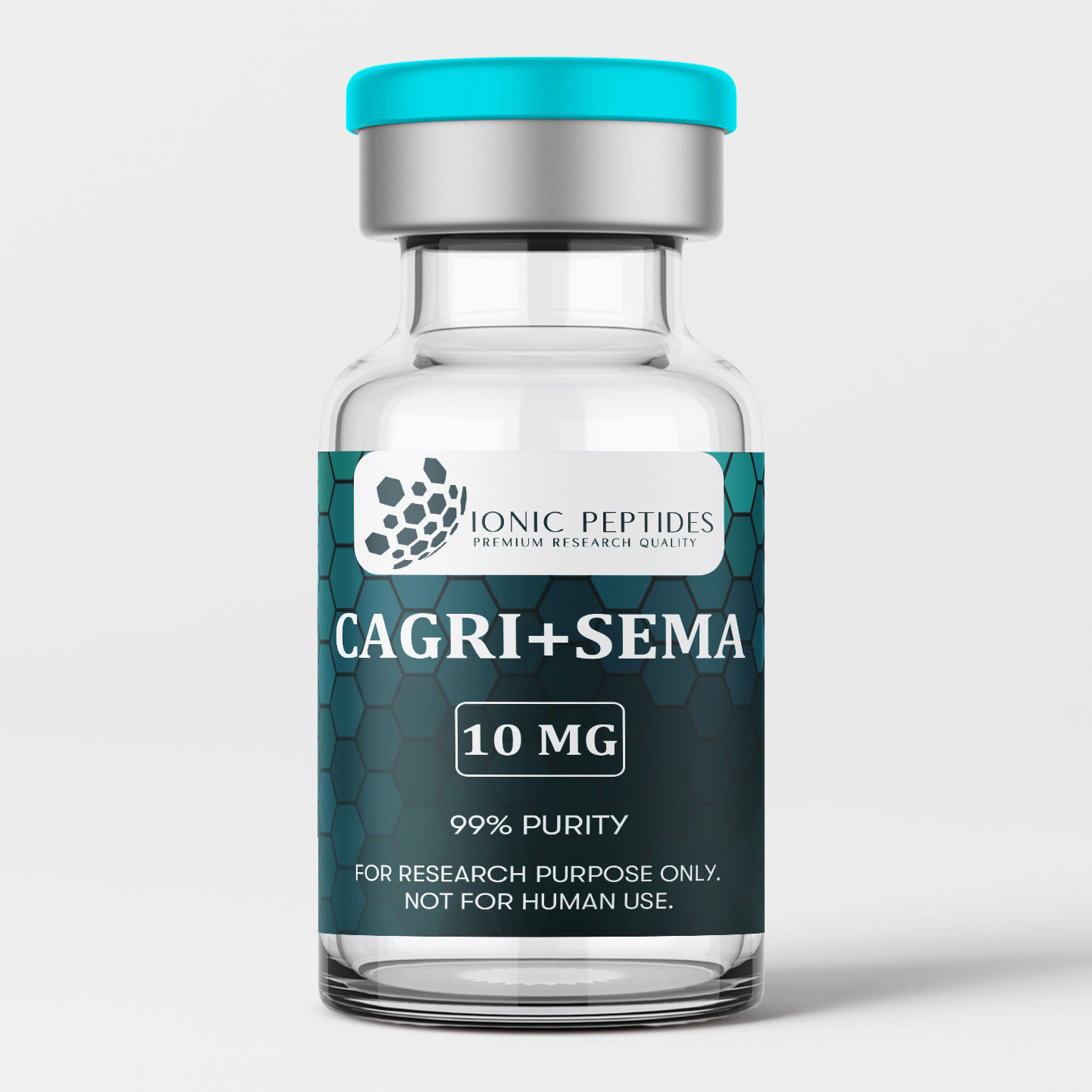
What is Semaglutide (SM)?
Semaglutide is a synthetic GLP-1 receptor agonist designed to mimic the human incretin hormone. Researchers frequently identify it as the gold standard for metabolic signaling studies. It features a 94% structural homology to natural glucagon-like peptide-1. However, scientists added a C-18 fatty di-acid chain to increase its biological stability. Consequently, researchers in the UK, USA, and Canada study its prolonged effects on appetite and blood sugar. This modification allows the peptide to resist degradation by the DPP-4 enzyme effectively.
Mechanism: GLP-1 Receptor Activation and Glycemic Control
Semaglutide functions by binding to GLP-1 receptors located in the pancreas, brain, and gut. First, it stimulates the glucose-dependent secretion of insulin to lower blood sugar levels. Second, it inhibits the release of glucagon to prevent the liver from overproducing glucose. Third, the peptide slows gastric emptying to provide a steady release of nutrients into the bloodstream. Therefore, it serves as a critical tool in Germany and France for investigating type 2 diabetes and insulin resistance. This controlled mechanism helps maintain glycemic stability during long-term laboratory observations.
Breakthroughs in Cardiovascular and Liver Health Research Of Semaglutide (SM) Peptide
The most significant research application for Semaglutide involves its protective impact on the heart and liver. Scientific studies in the USA and Spain indicate a 20% reduction in major adverse cardiovascular events. Researchers also observe that the peptide directly reduces liver inflammation and fibrosis. This benefit occurs independently of weight loss by targeting receptors on liver sinusoidal endothelial cells. Moreover, the peptide helps scientists study the reduction of systemic oxidative stress. Thus, it remains a high-priority compound for exploring multi-organ protection in Australia and Italy.
Quality Standards and Laboratory Handling
Professional laboratories in Germany, Canada, and the UK require maximum chemical purity for valid data. High-quality Semaglutide usually arrives in a lyophilized state with a purity of 99% or higher. You must store the vial in a refrigerated environment between 2°C and 8°C for optimal stability. After you reconstitute it with bacteriostatic water, the solution remains stable for several weeks if kept cool. Handle the vial gently to prevent the breakdown of the 31-amino acid sequence. These strict protocols guarantee accurate results for your metabolic and pharmacological studies.

Reviews
There are no reviews yet.