
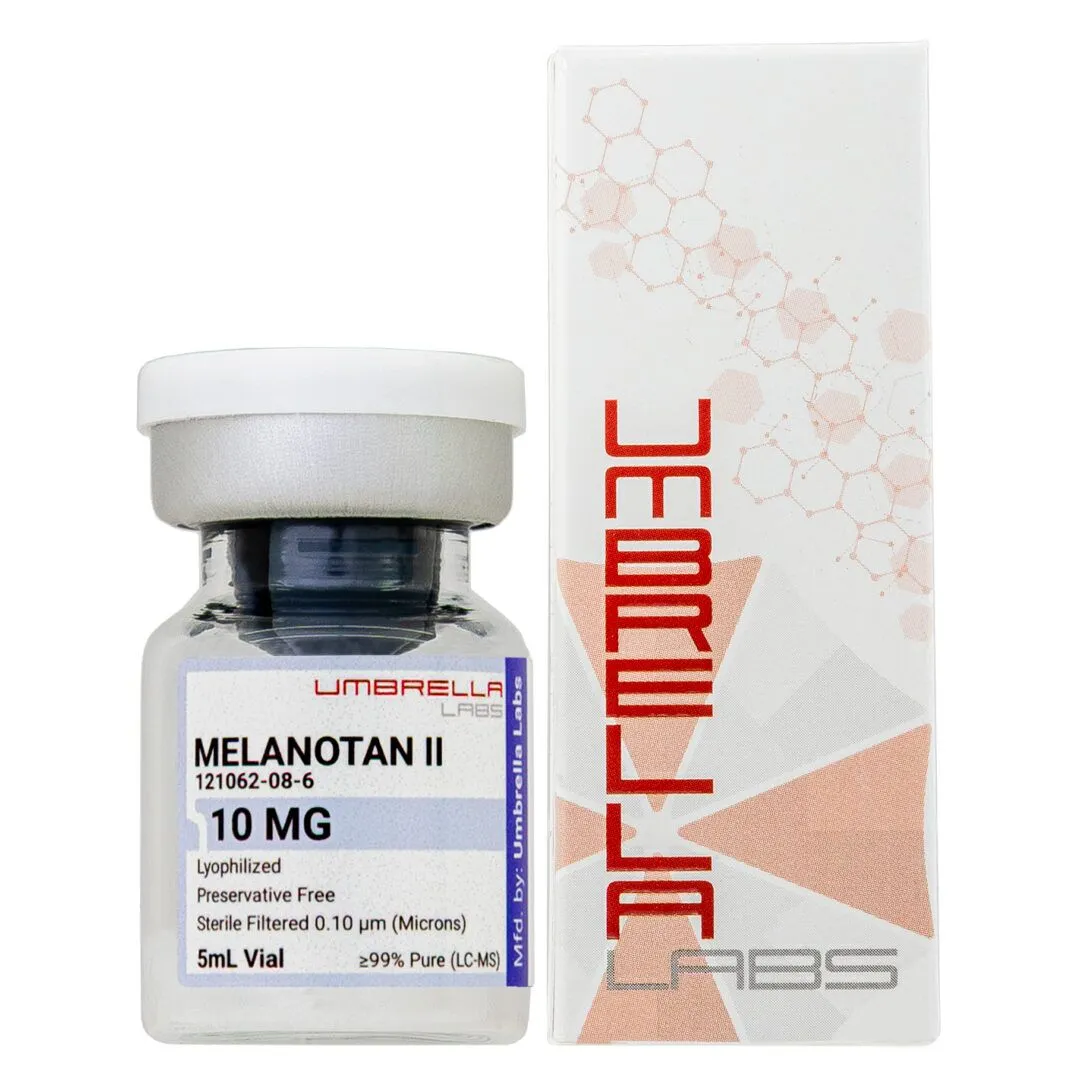
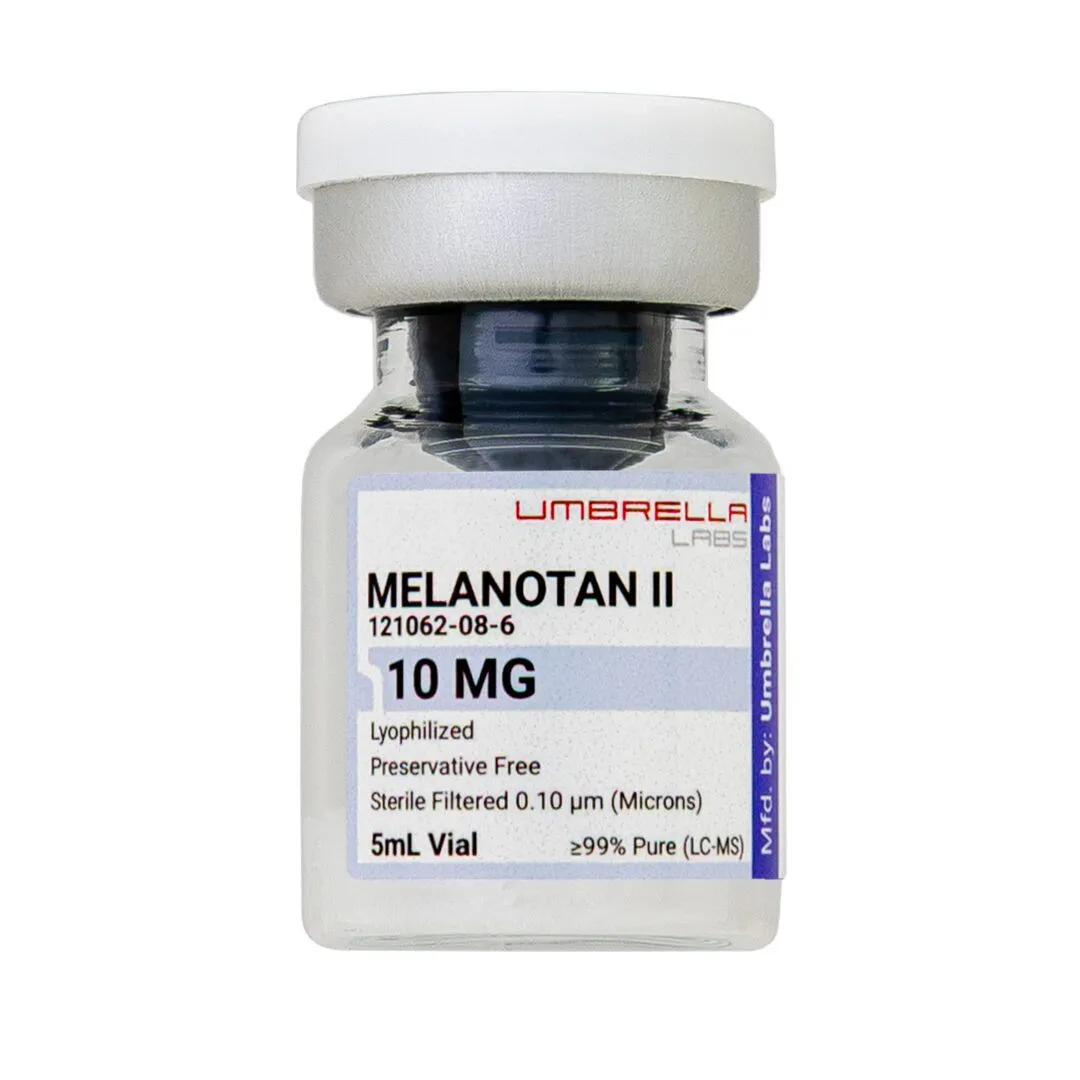
What is Melanotan 1 (MT1)?
Melanotan 1, often abbreviated as MT1, is a synthetic analog of the naturally occurring alpha-melanocyte-stimulating hormone (-MSH). It consists of a linear 13-amino acid chain designed to mimic the body’s signal for skin pigmentation. Unlike the natural hormone, MT1 features structural modifications that enhance its potency and resistance to enzymatic breakdown. Consequently, researchers in the UK, USA, and Australia utilize MT1 to study the stimulation of melanogenesis without the high risks associated with excessive ultraviolet (UV) exposure.
Mechanism: Selective MC1R Agonism
MT1 functions primarily as a selective agonist of the melanocortin-1 receptor (MC1R) located on melanocytes. When the peptide binds to these receptors, it triggers a cascade of intracellular signals, specifically increasing cyclic adenosine monophosphate (cAMP) levels. This signaling activates the enzyme tyrosinase, which is the rate-limiting step in melanin production. Therefore, it serves as a critical tool in Germany and France for investigating how the body builds a “biological shield” of eumelanin.
Photoprotection and Skin Cancer Research Of Melanotan 1 MT1 Peptide
The most significant research application for MT1 involves its photoprotective properties. By increasing the concentration of eumelanin in the skin, the peptide helps absorb and scatter harmful UV radiation. Scientific studies in the USA and Spain indicate that MT1 may reduce DNA damage caused by sun exposure by up to 47%. Consequently, the compound is a high-priority asset for biotech firms exploring treatments for photosensitivity disorders, such as erythropoietic protoporphyria (EPP) and polymorphous light eruption (PLE).
MT1 vs. Melanotan 2 (MT2)
Researchers frequently distinguish MT1 from its cyclic counterpart, Melanotan 2 (MT2), based on receptor selectivity. While MT1 is highly selective for the MC1R (pigmentation), MT2 is non-selective and also binds to MC3R and MC4R. This non-selectivity in MT2 often leads to side effects like appetite suppression and spontaneous erections. Conversely, MT1 provides a more controlled tanning effect with a significantly lower profile of systemic side effects. This makes it the preferred choice for laboratories in Australia and the UK focusing strictly on dermatological and photoprotective outcomes.
Quality Standards and Laboratory Handling
Professional laboratories in Spain, Germany, and the UK require maximum chemical purity for valid results. High-quality MT1 usually arrives in a lyophilized (freeze-dried) state with a purity of 98% or higher. You must store the vial in a refrigerated environment between 2°C and 8°C to maintain molecular stability. After reconstitution with bacteriostatic water, the solution should be handled gently and used within its stability window. Following these strict protocols ensures that researchers can accurately measure the peptide’s impact on skin pigmentation and genomic stability.
Reviews
There are no reviews yet.