
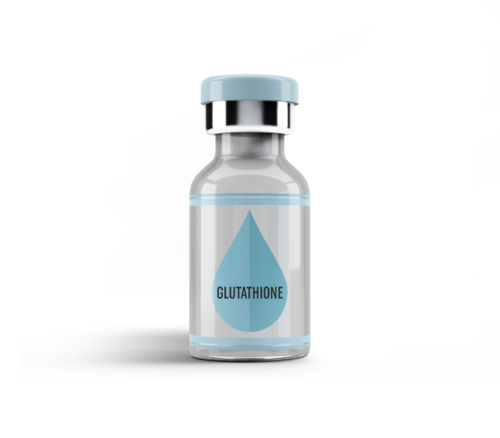
What is Glutathione (GTT/Glu)?
Glutathione (GTT/Glu) is a tripeptide molecule composed of three essential amino acids: Glutamic Acid, Cysteine, and Glycine. Often referred to as the “Master Antioxidant,” it is found in high concentrations in virtually every cell of the human body, particularly the liver. Consequently, researchers in the UK, USA, and Australia study Glutathione for its critical role in protecting cells from oxidative stress and maintaining the stability of the immune system. Unlike other antioxidants, Glutathione is endogenous, meaning the body synthesizes it naturally. Therefore, it serves as a primary tool for investigating cellular longevity and the prevention of molecular damage.
Mechanism: Redox Balancing and Detoxification
Glutathione functions primarily as a powerful reducing agent that neutralizes reactive oxygen species (ROS) and free radicals. It cycles between two states: reduced (GSH) and oxidized (GSSG). In its reduced form, it donates an electron to unstable molecules, effectively “disarming” them before they can damage DNA or cell membranes. Furthermore, the peptide plays a central role in Phase II detoxification in the liver, where it binds to fat–soluble toxins and heavy metals to make them water-soluble for excretion. Therefore, it serves as a critical tool in Germany and Canada for investigating metabolic waste management. This precise biochemical signaling helps researchers observe the preservation of cellular health in laboratory models.
Breakthroughs in Skin Brightening and Immune Resilience
The most significant research application for Glutathione involves its impact on melanogenesis and immune function. Scientific studies in the USA and Spain indicate that the peptide can inhibit the enzyme tyrosinase, which leads to a reduction in melanin production and a visible brightening of the skin. Researchers also observe that Glutathione is essential for the proliferation of T-cells and the activation of Natural Killer (NK) cells. This dual-action approach makes it a high-priority compound for studying dermatological health and systemic immune defense. Thus, it remains a primary focus for anti-aging and integrative medicine research in Italy.
Quality Standards and Laboratory Handling
Professional laboratories in Italy, Germany, and the UK require maximum chemical purity for valid experimental data. High-quality Glutathione usually arrives as a white lyophilized powder or in a stabilized liquid form with a purity of 98% or higher. You must store the vial in a cool, dry place, ideally refrigerated between 2°C and 8°C, to prevent the oxidation of the delicate sulfur-containing cysteine bond. After you reconstitute it with bacteriostatic water or incorporate it into a specialized research buffer, keep the solution away from direct light and heat. Handle the vial gently to maintain the integrity of the tripeptide structure. These strict protocols guarantee accurate results for your toxicology and oxidative stress studies.
Reviews
There are no reviews yet.