
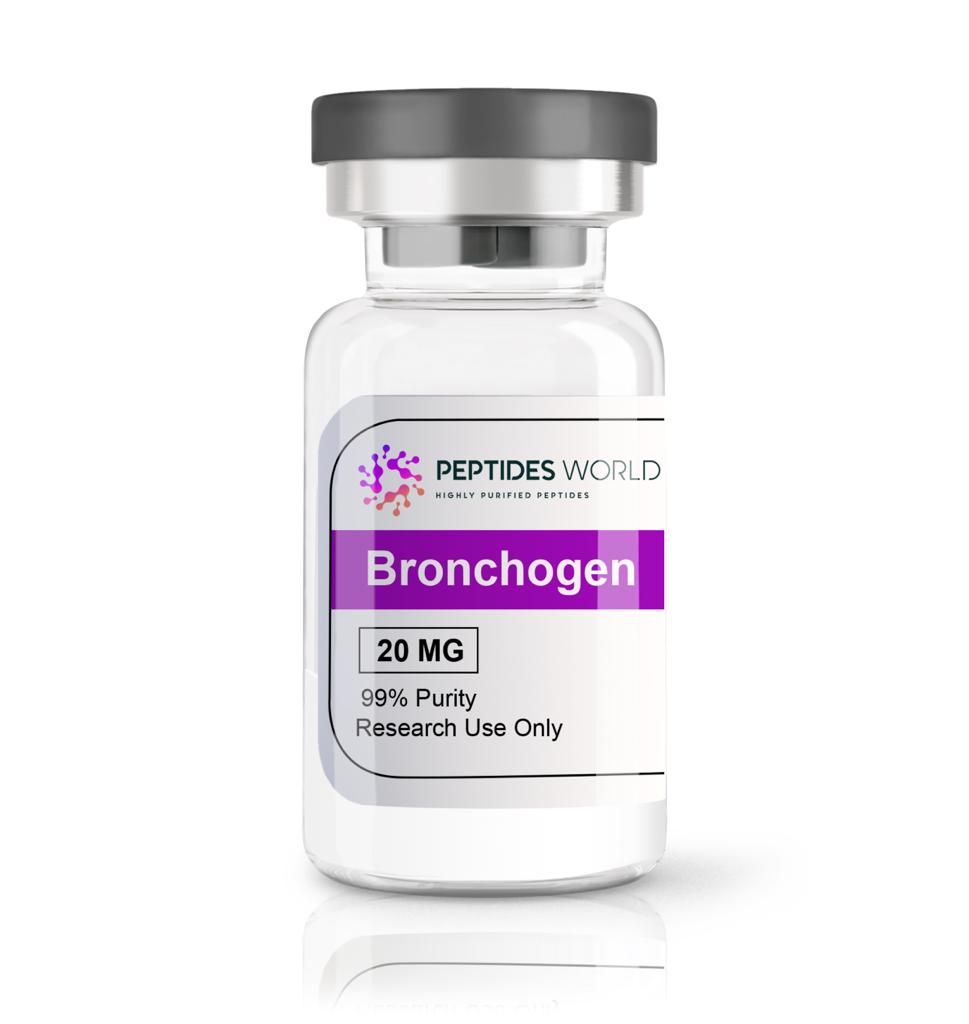
Understanding Bronchogen (Bron) Peptide
Bronchogen, often referred to as Bron, represents a synthetic short peptide specifically designed to support respiratory health. Researchers developed this bioregulator to target the tissues of the bronchial tree, aiming to restore functional activity within the lungs. Consequently, many individuals interested in longevity and organ-specific repair explore this peptide for its potential to enhance pulmonary resilience.
The Mechanism of Action in Respiratory Tissues
This peptide works by interacting directly with the DNA of bronchial cells, which triggers a process known as protein synthesis. By stimulating this natural cellular pathway, Bronchogen helps maintain the structural integrity of the respiratory system. Furthermore, it assists in normalizing the metabolic processes that often decline due to aging or environmental stressors. As a result, the body can more effectively manage the regeneration of damaged lung tissues.
Key Benefits for Pulmonary Wellness
One of the primary advantages of using Bronchogen involves its ability to reduce inflammatory responses within the airways. Moreover, it supports the overall immune function of the respiratory tract, providing a defensive layer against common irritants. Users frequently report improved breathing capacity and a reduction in chronic respiratory discomfort. Therefore, it serves as a valuable tool for those seeking to optimize their lung performance and general vitality.
Scientific Research and Clinical Observations
Clinical studies indicate that short peptides like Bronchogen exhibit high bioavailability and specific tissue affinity. Scientists have observed that these molecules do not typically cause allergic reactions or significant side effects, making them a safer alternative for long-term research. Additionally, the data suggests that consistent application can lead to a measurable improvement in the functional state of the bronchi. Thus, the scientific community continues to investigate its role in treating age-related pulmonary decline.
Usage Guidelines and Research Applications
For research purposes, Bronchogen is usually provided in a lyophilized powder form to ensure maximum stability and purity. Investigators must reconstitute the peptide with bacteriostatic water before conducting any laboratory experiments. It is crucial to follow precise measurement protocols to achieve accurate results in cellular studies. Consequently, maintaining a controlled environment remains essential for observing the true biological impact of the peptide.
Why Choose Bronchogen for Respiratory Support
Choosing Bronchogen offers a targeted approach to lung health that systemic treatments often lack. Because it focuses exclusively on the bronchial system, it provides a more efficient pathway for cellular repair. In addition to its regenerative properties, it acts as a preventative measure against the natural degradation of respiratory tissues. Ultimately, Bronchogen stands out as a premier choice for advanced peptide research and pulmonary optimization.
Conclusion on Bronchogen Efficacy
In summary, Bronchogen (Bron) provides a sophisticated method for enhancing respiratory function through targeted peptide bioregulation. Its ability to stimulate protein synthesis and reduce inflammation makes it a cornerstone of modern pulmonary research. By integrating this peptide into a wellness or research protocol, one can expect a higher standard of respiratory care. Therefore, it remains a highly recommended product for those prioritizing long-term lung health and structural integrity.
Reviews
There are no reviews yet.