
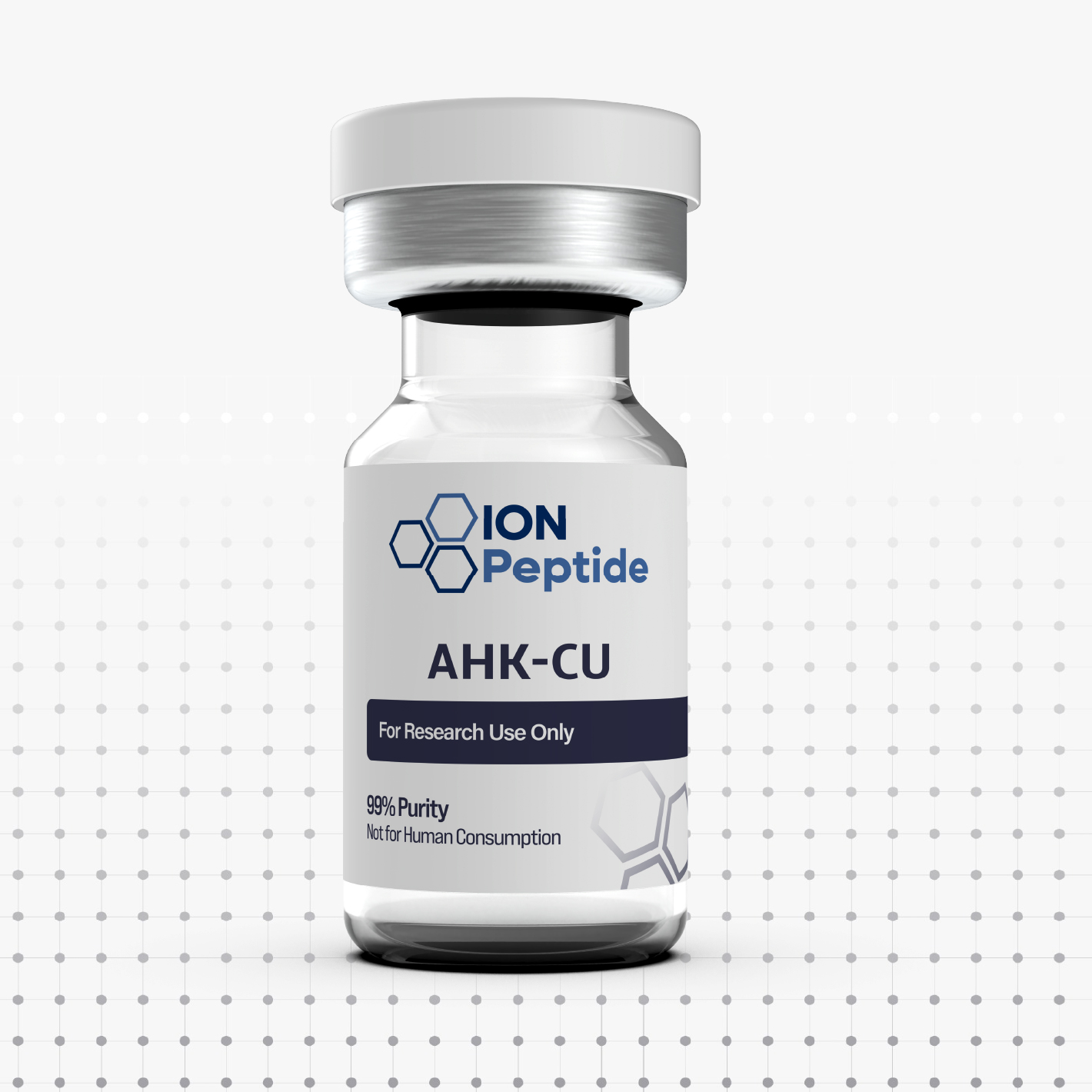
Understanding AHK-Cu Copper Peptide
AHK-Cu Copper Peptide, a specialized copper-binding tripeptide, represents a significant advancement in dermatological and hair follicle research. Scientists originally identified this molecule for its unique ability to interact with skin cells and promote structural protein synthesis. Consequently, it has become a cornerstone in the study of tissue regeneration and anti-aging interventions. Many researchers explore its potential to enhance cellular vitality and restore youthful characteristics to various biological tissues.
The Mechanism of Action in Skin and Hair
This peptide works by modulating the expression of specific genes responsible for collagen and elastin production. By binding with copper ions, AHK-Cu facilitates the transport of essential minerals into the deeper layers of the dermis. Furthermore, it assists in neutralizing oxidative stress that often leads to premature cellular degradation. As a result, the biological environment becomes more conducive to healthy growth and structural maintenance during experimental observations.
Key Benefits for Follicular and Dermal Health of AHK-Cu Copper Peptide
One of the primary advantages of using AHK-Cu involves its ability to stimulate the proliferation of dermal papilla cells. Moreover, it supports the overall health of the scalp by improving microcirculation and reducing inflammatory markers. Users frequently report a noticeable improvement in tissue density and a reduction in age-related thinning. Therefore, it serves as a valuable tool for those seeking to optimize their research into hair and skin longevity.
Scientific Research and Clinical Observations
Clinical studies indicate that copper peptides like AHK-Cu exhibit high stability and specific affinity for epithelial tissues. Scientists have observed that these molecules effectively promote the healing of micro-injuries without causing significant irritation. Additionally, the data suggests that consistent application can lead to a measurable increase in the thickness of the dermal layer. Thus, the scientific community continues to investigate its role in reversing environmental damage.
Usage Guidelines and Research Applications
For research purposes, AHK-Cu is usually provided in a high-purity powder form to ensure consistent laboratory results. Investigators must reconstitute the peptide with sterile water or specialized serums before conducting any topical or cellular studies. It is crucial to maintain precise concentration levels to observe the true biological impact on target tissues. Consequently, following strict laboratory protocols remains essential for achieving accurate and reproducible data.
Why Choose AHK-Cu for Advanced Research
Choosing AHK-Cu offers a targeted approach to tissue repair that general copper supplements often lack. Because it utilizes a specific tripeptide sequence, it provides a more efficient delivery system for copper ions. In addition to its regenerative properties, it acts as a protective barrier against the natural degradation of structural proteins. Ultimately, AHK-Cu stands out as a premier choice for investigators focusing on dermatology and follicular science.
Conclusion on AHK-Cu Efficacy
In summary, AHK-Cu provides a sophisticated method for enhancing tissue health through targeted copper peptide bioregulation. Its ability to stimulate collagen synthesis and support follicular growth makes it a cornerstone of modern dermatological research. By integrating this peptide into a research protocol, one can expect a higher standard of cellular care and regeneration. Therefore, it remains a highly recommended product for those prioritizing structural integrity and youthful vitality.

Reviews
There are no reviews yet.