
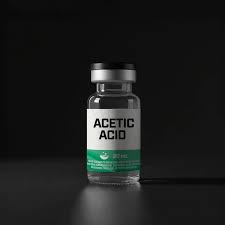
Learn how Acetic Acid (AA) serves as a vital solvent for basic peptides. Discover best practices for reconstitution, pH modulation, and peptide stability in laboratory research.
What is Acetic Acid (AAZK) in Research?
Acetic Acid, often referenced in laboratory contexts by specialized identifiers like AAZK, is an organic compound essential for the stabilization and solubility of synthetic peptides. While it is chemically recognized as ethanoic acid, its role in peptide science is far from ordinary. Researchers utilize it primarily as a solvent for basic peptides—those containing amino acids like Arginine, Lysine, or Histidine. By providing an acidic environment, it prevents the aggregation of these molecules, ensuring they remain in a clear, monomeric solution for experimental use. Consequently, it is a staple in every peptide laboratory from London to New York.
The Role of Acetic Acid in Solubility
The primary challenge in peptide research is achieving complete solubility without damaging the delicate amino acid chains. Many basic peptides are hydrophobic or prone to clumping in neutral solutions like bacteriostatic water. By introducing a dilute Acetic Acid solution (typically 1% to 10%), researchers can lower the pH, which adds a positive charge to the peptide’s N-terminus. This electrostatic repulsion keeps the individual peptide molecules apart, allowing for a clear and consistent reconstitution. Furthermore, this process is often the “secret weapon” for researchers struggling with stubborn, cloudy vials that refuse to dissolve in standard saline.
Enhancing Stability and Preventing Degradation
Beyond initial solubility, Acetic Acid plays a significant role in maintaining the long-term stability of peptides. Many peptides are highly susceptible to hydrolysis or bacterial degradation when kept in a neutral environment. An acidic buffer created with Acetic Acid can slow these degradation pathways, extending the “shelf life” of the reconstituted product. Additionally, for peptides that undergo N-terminal acetylation during synthesis, the presence of acetic anhydride derivatives ensures the molecule mimics its natural protein counterpart. Therefore, it acts as both a functional solvent and a protective shield for high-purity research materials.
Applications in Cleansing and Reconstitution
In the UK and USA, Acetic Acid is also utilized as a specialized cleansing agent for lab equipment used in peptide synthesis. Its ability to dissolve mineral deposits and organic residues makes it ideal for maintaining the sterile environment required for GMP-aligned manufacturing. When used for reconstitution, researchers often recommend a “step-down” method: dissolving the peptide first in a small amount of concentrated Acetic Acid and then diluting it with sterile water. This technique ensures that even the most insoluble sequences become bioavailable for cellular assays. Thus, it bridges the gap between raw powder and active experimental reagent.
Storage and Handling Protocols
Due to its pungent odor and corrosive nature, Acetic Acid requires careful storage and handling within the lab. Glacial Acetic Acid (100% concentration) should always be stored in a cool, well-ventilated area away from strong oxidizers or bases. When preparing dilutions for peptide work, researchers must use high-purity, laboratory-grade acid to avoid introducing contaminants into the vial. Furthermore, once a peptide is reconstituted in an acidic solution, it should be aliquoted and frozen to minimize repeated temperature fluctuations. Ultimately, following these protocols ensures the integrity of the peptide bonds remains intact for the duration of the study.
Legal and Regulatory Status in 2026
As of 2026, Acetic Acid remains a widely available and unregulated chemical for industrial and laboratory use in the UK, USA, and Australia. However, its use in the context of “research peptides” falls under the strict guidelines of the MHRA and FDA. While the acid itself is safe, the peptides it dissolves are often restricted to laboratory settings and are not intended for human consumption. Reputable suppliers often include a small vial of dilute Acetic Acid with certain basic peptides to assist the researcher. By sourcing lab-grade solvents from domestic suppliers, researchers ensure they meet the quality standards required for third-party verified scientific discovery.
Reviews
There are no reviews yet.