
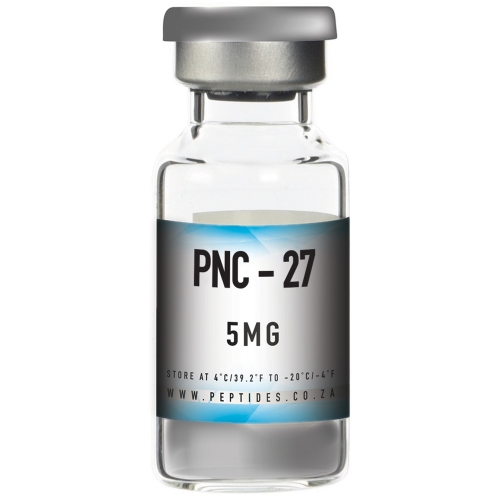
Understanding PNC-27 Peptide Research
PNC-27 Peptide Research is a specialized research peptide derived from the p53 protein, specifically designed to target the HDM-2 (Human Double Minute 2) binding domain. Researchers study PNC-27 for its unique ability to interact with specific cell membranes, making it a significant focus in the field of oncology and cellular biology research. It is composed of a p53-derived peptide sequence linked to a membrane-resident peptide (MRP), allowing it to effectively penetrate cellular structures. Consequently, it has become a central tool for investigators exploring advanced methods for selective cellular targeting and apoptosis induction in laboratory settings.
The Mechanism of Selective Membrane Interaction
This peptide works by binding to the HDM-2 protein, which is often expressed on the surface membranes of abnormal cells but absent in healthy cells. Upon binding, PNC-27 induces the formation of transmembrane pores, leading to rapid cellular lysis (membrane disruption). Unlike traditional interventions, this mechanism is highly selective, as it relies on the presence of the target protein on the cell surface. Furthermore, it assists in modulating intracellular signaling pathways related to cell cycle regulation and programmed cell death. As a result, PNC-27 provides a robust physiological stimulus for investigating targeted cellular degradation during research protocols.
Key Benefits for Cellular Research and Oncology
One of the primary advantages of studying PNC-27 involves its consistent ability to demonstrate selective cytotoxicity in research models. Moreover, it supports the study of p53-independent pathways, offering a broader understanding of how cellular integrity can be compromised in abnormal environments. Researchers frequently report measurable outcomes in cellular viability assays and structural membrane analysis during long-term research observations. Therefore, it serves as a foundational tool for investigators seeking to optimize research into advanced oncology treatments and cellular longevity.
Scientific Research and Clinical Observations of PNC-27 Peptide Research
Clinical studies indicate that PNC-27 exhibits high biological activity and a well-documented impact on cellular morphology in laboratory environments. Scientists have observed that the peptide’s ability to selectively target and destroy abnormal cells while sparing healthy tissue is its most promising feature. Additionally, the data suggests that PNC-27 effectively supports the body’s natural regulatory mechanisms by eliminating compromised cells. Thus, the scientific community continues to prioritize PNC-27 in the development of next-generation therapies for complex cellular disorders.
Usage Guidelines and Research Applications
For research purposes, PNC-27 is typically provided in a high-purity lyophilized form to ensure maximum biological activity and stability. Investigators must follow precise reconstitution and dosing protocols to achieve accurate results in oncology and cellular studies. It is crucial to store the peptide at controlled temperatures to prevent the degradation of its specific amino acid sequence. Consequently, maintaining a standardized laboratory environment remains essential for observing the true biological impact of the peptide.
Why Choose PNC-27 for Advanced Cellular Research
Choosing PNC-27 offers a sophisticated approach to cellular health that targets the specific protein signatures of abnormal cells. Because it provides a more targeted method of cellular disruption than broad-spectrum agents, it offers a refined tool for managing cellular populations in research. In addition to its cytolytic properties, it provides a protective effect on healthy neuronal and tissue pathways by avoiding non-specific interactions. Ultimately, PNC-27 stands out as a premier choice for advanced research into targeted oncology and biological optimization.
Conclusion on PNC-27 Efficacy
In summary, PNC-27 provides a sophisticated and effective method for investigating selective cellular targeting through HDM-2 binding and membrane disruption. Its ability to induce apoptosis, stabilize cellular environments, and protect healthy tissue makes it a cornerstone of modern oncology research. By integrating this peptide into a research protocol, one can expect a higher standard of cellular care and performance. Therefore, it remains a highly recommended product for those prioritizing advanced research into cellular health and physiological excellence.



Reviews
There are no reviews yet.