
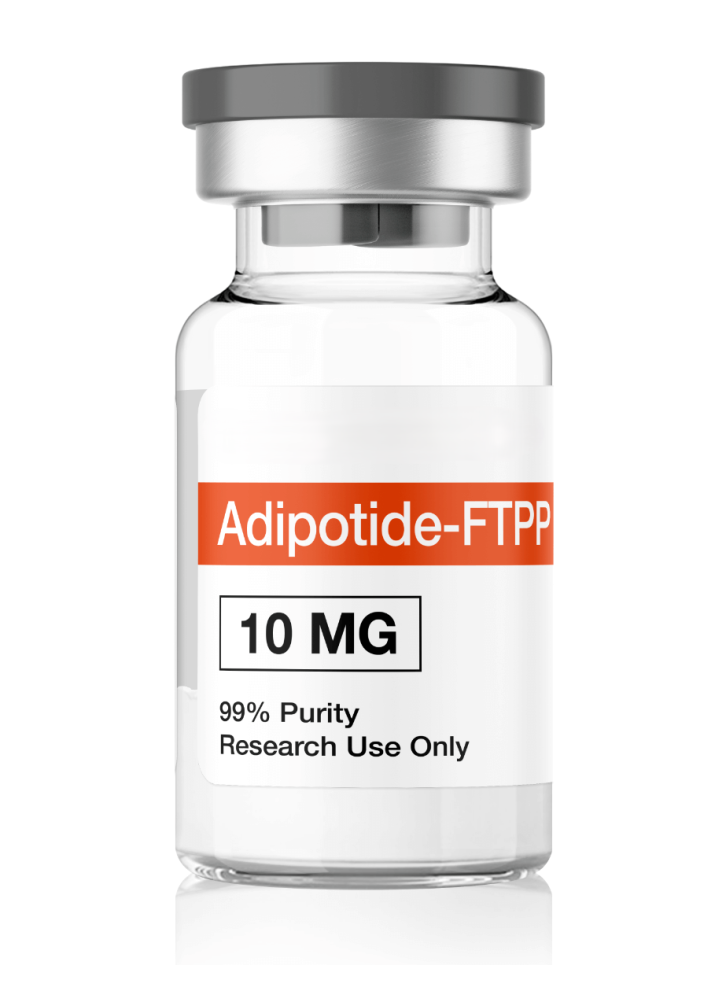
Understanding FTPP Adipotide Peptide Research
FTPP Adipotide Peptide Research, also known simply as Adipotide, is an experimental peptidomimetic designed to target and eliminate white adipose tissue. It operates through a unique dual-mechanism approach, combining a homing domain that targets the blood vessels of fat cells with a pro-apoptotic domain that induces programmed cell death. Researchers study FTPP Adipotide for its profound impact on metabolic regulation and its potential to rapidly reduce fat mass in laboratory models. Consequently, it has become a significant area of interest for investigators exploring advanced interventions for obesity and metabolic syndrome.
The Mechanism of Targeted Fat Loss
This peptide works by binding to specific receptors (prohibitin and ANXA2) found exclusively on the surface of blood vessels supplying white fat tissue. Once bound, the pro-apoptotic sequence disrupts the mitochondrial membrane of the vascular endothelial cells, leading to the collapse of the fat cell’s blood supply. Without a steady flow of nutrients and oxygen, the fat cells undergo apoptosis and are naturally cleared by the body’s immune system. Furthermore, FTPP Adipotide assists in improving insulin sensitivity by reducing the overall burden of metabolically active adipose tissue. As a result, it provides a highly targeted physiological stimulus for body composition optimization in research protocols.
Key Benefits for Metabolic Health and Body Composition
One of the primary advantages of studying FTPP Adipotide involves its consistent ability to induce significant weight loss and fat mass reduction in research models. Moreover, it supports cardiovascular health by lowering systemic inflammation associated with excessive adipose tissue. Users frequently report measurable improvements in lipid profiles and metabolic efficiency during long-term research observations. Therefore, it serves as a foundational tool for investigators seeking to optimize research into metabolic longevity and structural health.
Scientific Research and Clinical Observations
Clinical studies indicate that peptidomimetics like FTPP Adipotide exhibit high biological activity and a well-documented impact on adipose tissue in laboratory settings. Scientists have observed that targeted vascular destruction leads to rapid and sustained fat loss without the rebound effect often seen with traditional caloric restriction. Additionally, the data suggests that FTPP Adipotide effectively supports the body’s natural resilience against obesity-related metabolic stressors. Thus, the scientific community continues to prioritize FTPP Adipotide in the development of next-generation metabolic therapies.
Usage Guidelines and Research Applications
For research purposes, FTPP Adipotide is typically provided in a high-purity lyophilized form to ensure maximum biological activity and stability. Investigators must follow precise reconstitution and dosing protocols to achieve accurate results in metabolic and physiological studies. It is crucial to store the peptide at controlled temperatures to prevent the degradation of its complex molecular structure. Consequently, maintaining a standardized laboratory environment remains essential for observing the true biological impact of the peptide.
Why Choose FTPP Adipotide for Advanced Research
Choosing FTPP Adipotide offers a sophisticated approach to metabolic health that targets the underlying vascular structure of fat tissue. Because it directly influences the survival pathways of adipose blood vessels, it provides a more permanent method for enhancing body composition compared to temporary appetite suppressants. In addition to its fat-reducing properties, it provides a protective effect on the endocrine system and supports overall metabolic structural integrity. Ultimately, FTPP Adipotide stands out as a premier choice for advanced research into metabolic optimization and physiological rejuvenation.
Conclusion on FTPP Adipotide Efficacy
In summary, FTPP Adipotide provides a sophisticated and effective method for enhancing metabolic function through targeted vascular apoptosis. Its ability to eliminate white fat tissue, improve insulin sensitivity, and promote systemic health makes it a cornerstone of modern metabolic research. By integrating this peptide into a research protocol, one can expect a higher standard of metabolic care and performance. Therefore, it remains a highly recommended product for those prioritizing long-term health and physiological excellence.




Reviews
There are no reviews yet.