
What is HCG (Human Chorionic Gonadotropin)?
Human Chorionic Gonadotropin (HCG) is a complex glycoprotein hormone composed of 237 amino acids. In natural biological processes, it is produced by the syncytiotrophoblast cells of the placenta during pregnancy. However, in laboratory settings, it is recognized as a powerful Luteinizing Hormone (LH) mimetic. Consequently, researchers in the UK, USA, and Australia study HCG for its ability to bypass the pituitary gland and act directly on the gonads. Because it shares a high degree of structural similarity with LH—specifically the same alpha subunit—it serves as a primary tool for investigating the maintenance of primary reproductive functions.
Mechanism: Leydig Cell Stimulation and Steroidogenesis
Breakthroughs in Fertility and HPG Axis Recovery
The most significant research application for HCG involves its role in treating hypogonadotropic hypogonadism and improving fertility outcomes. Scientific studies in the USA and Spain indicate that the peptide is essential for stimulating the final maturation of follicles in females and promoting spermatogenesis in males. Researchers also observe its utility in Post-Cycle Therapy (PCT) models, where it is used to prevent gonadal atrophy following periods of hormonal suppression. This ability to mimic a fundamental regulatory hormone makes it a high-priority compound for endocrine science. Thus, it remains a primary focus for reproductive health research in Italy.
Comparison: HCG vs. Gonadorelin
In comparative pharmacology, researchers often evaluate HCG alongside Gonadorelin to study different points of intervention within the endocrine system. While Gonadorelin acts on the pituitary to release natural LH and FSH, HCG acts “downstream” directly on the target organs. Researchers observe that HCG provides a more immediate and potent stimulus for testosterone production but does not stimulate FSH (essential for sperm production) as effectively as the upstream peptides. Therefore, it serves as a critical tool for investigating the nuances of hormonal feedback. Understanding these distinctions helps researchers in Australia and the UK design more effective protocols for recovery and fertility studies.
Quality Standards and Laboratory Handling Of Human Chorionic Gonadotropin (HCG)
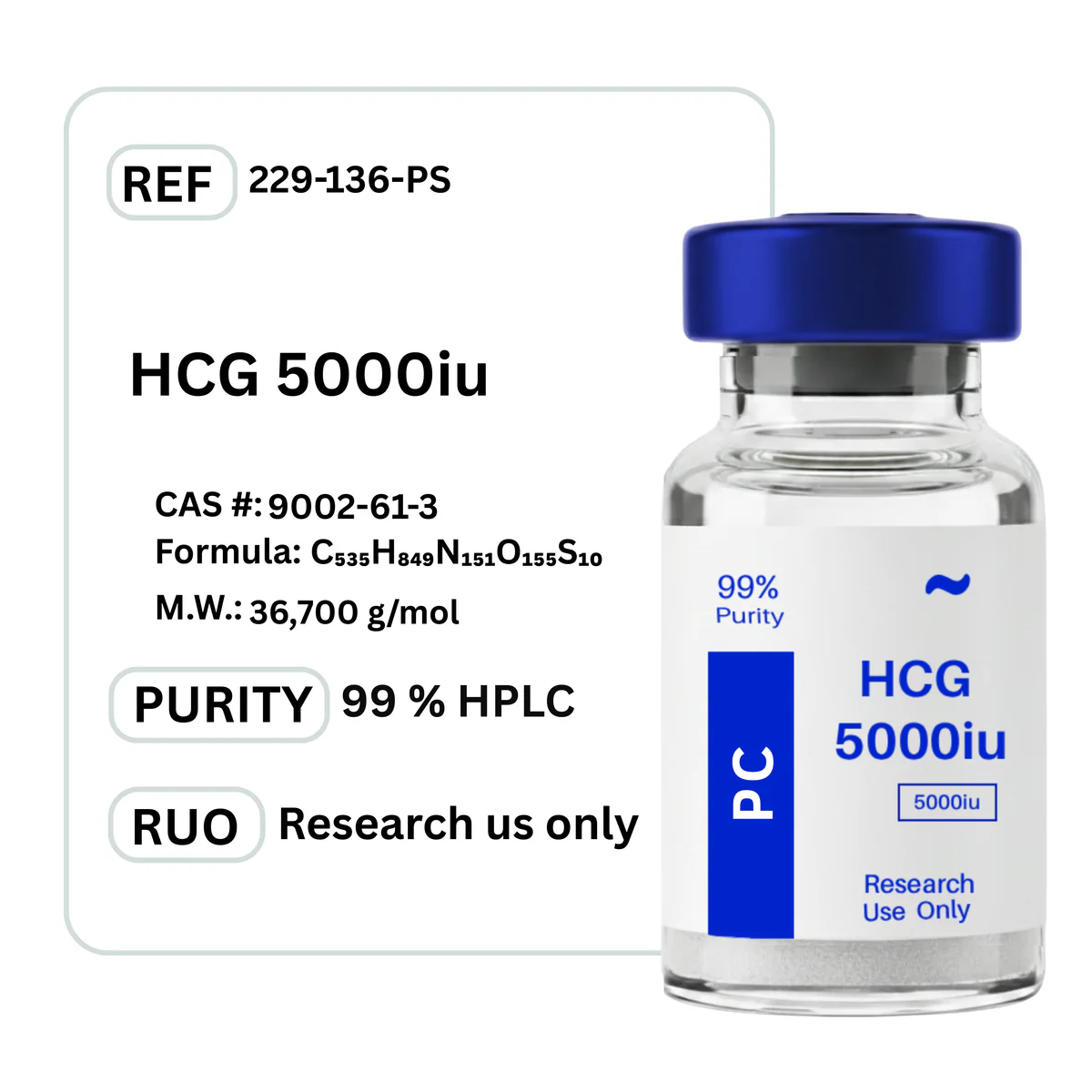
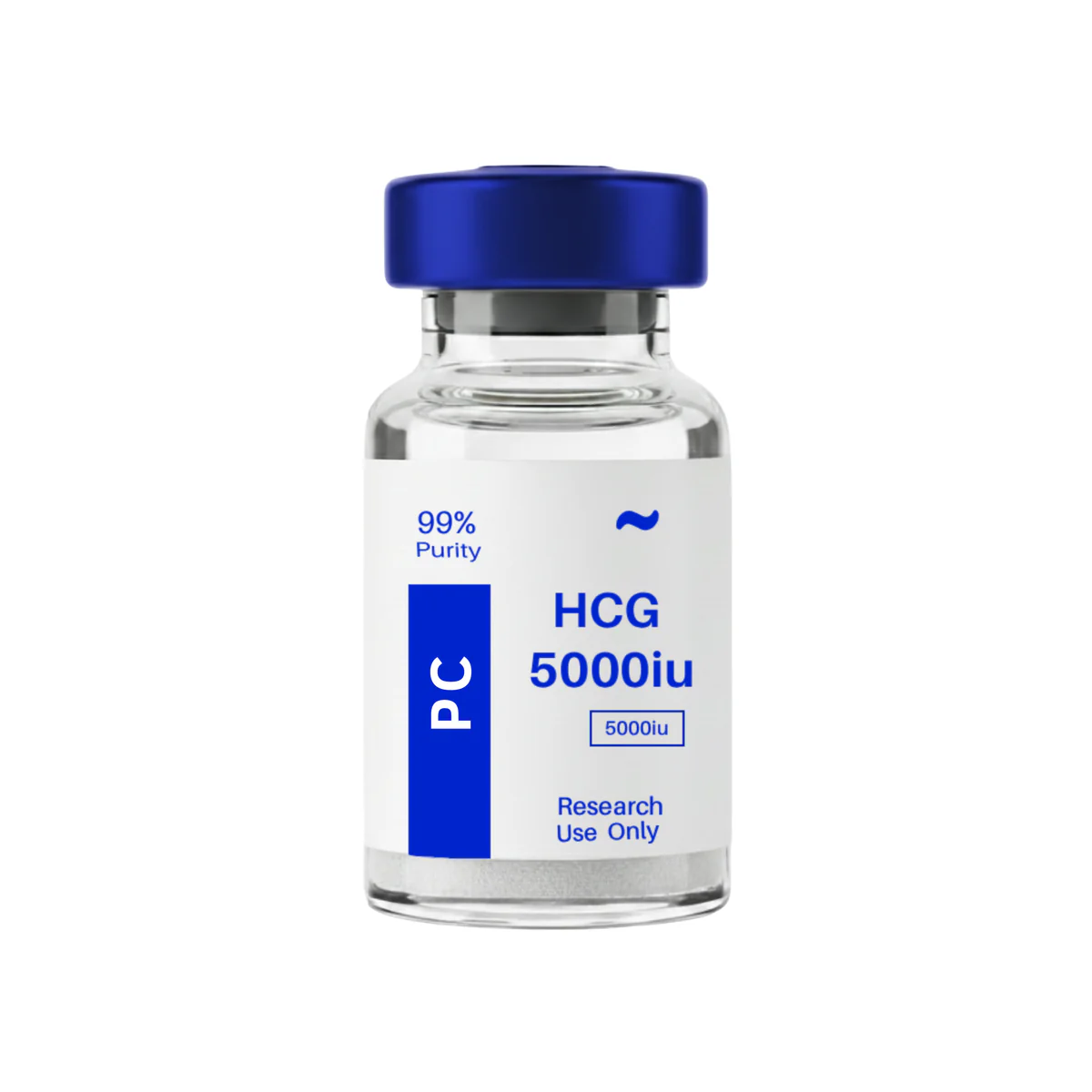
Professional laboratories in Italy, Germany, and the UK require maximum chemical purity for valid experimental data. High-quality HCG usually arrives as a white lyophilized powder with a purity of 98% or higher, measured in International Units (IU), typically 5000iu or 10000iu per vial. You must store the unmixed powder in a refrigerator between 2°C and 8°C. After you reconstitute it with bacteriostatic water, the hormone is highly sensitive to temperature and light; it must remain refrigerated and should generally be used within 30 to 60 days to maintain potency. These strict protocols guarantee accurate results for your endocrinology and reproductive signaling studies.
Reviews
There are no reviews yet.