
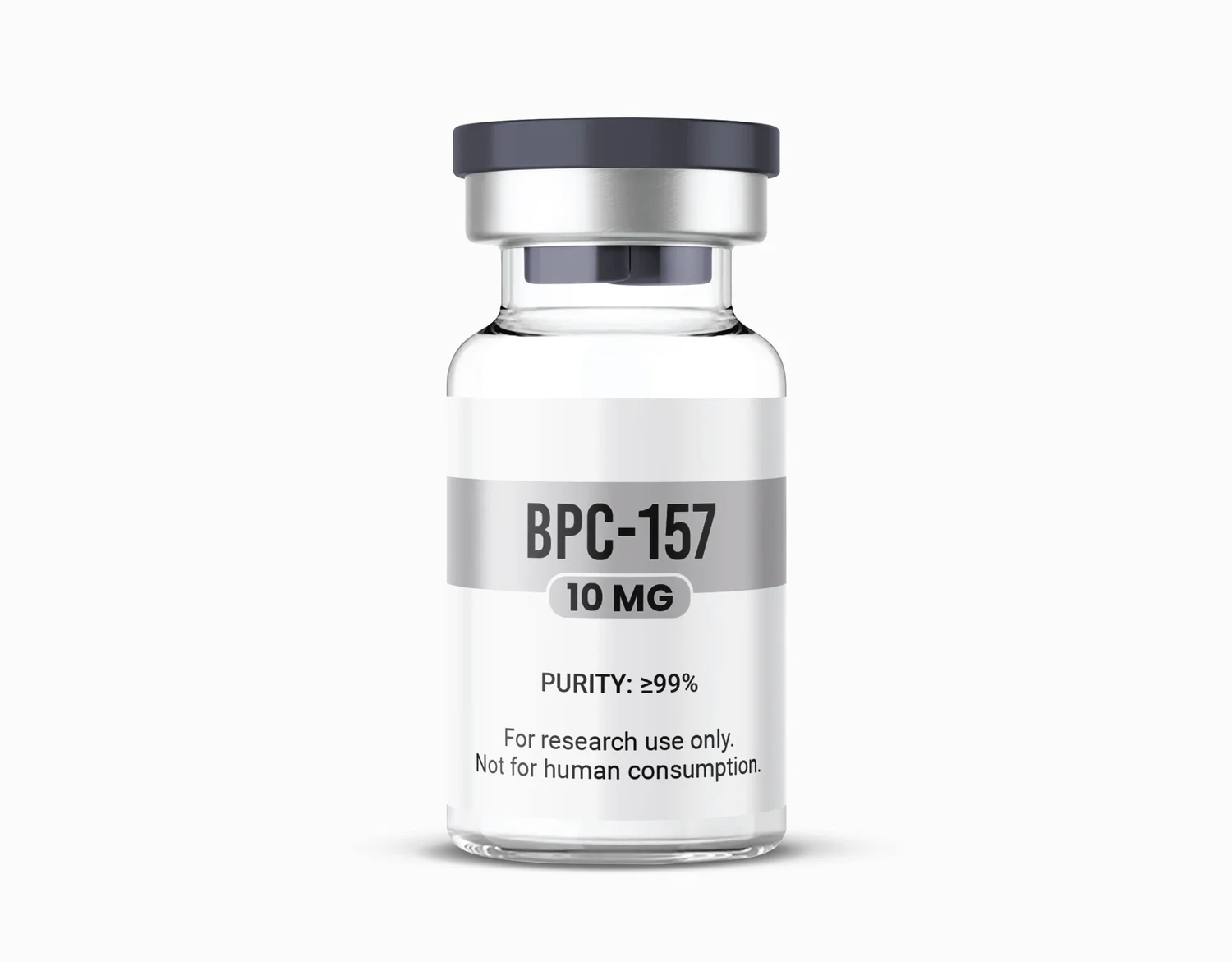
What is BPC-157 (BC)?
BPC-157 Peptide, often designate as BC in clinical settings, stands for Body Protection Compound. It is a synthetic pentadecapeptide composed of 15 amino acids derive from a protective protein found naturally in human gastric juice. Researchers engineer this specific sequence to remain stable in the harsh, acidic environment of the stomach, giving it a unique advantage over more fragile peptides. Consequently, laboratories in the UK, USA, and Australia focus on BPC-157 for its systemic ability to accelerate the healing of various tissues, ranging from the digestive tract to the musculoskeletal system.
Accelerated Tissue Repair and Angiogenesis
The primary mechanism of BPC-157 involves the modulation of the nitric oxide pathway and the stimulation of angiogenesis—the formation of new blood vessels. By increasing the expression of vascular endothelial growth factor (VEGF), the peptide ensures that damaged tissues receive the oxygen and nutrients necessary for rapid regeneration. Furthermore, it promotes the outgrowth of fibroblasts, which are essential for collagen synthesis.
Gastrointestinal Protection and Gut Health
Beyond its orthopedic applications, BPC-157 exhibits profound “cytoprotective” effects on the gastrointestinal lining. It has demonstrated an exceptional ability to heal gastric ulcers, combat inflammatory bowel disease (IBD), and repair the intestinal damage associated with “leaky gut” syndrome. Researchers in the USA and France often study how the peptide counteracts the damaging effects of NSAIDs (non-steroidal anti-inflammatory drugs) on the gut mucosa. By stabilizing the “gut-brain axis,” it also offers secondary benefits for mood and cognitive resilience during metabolic stress.
Neuroprotection and Anti-Inflammatory Action Of BPC-157 Peptide
Recent neurological research suggests that BPC-157 may play a vital role in protecting the central nervous system. The peptide helps calm neuroinflammation and has been observed to protect brain cells against various toxins and oxidative stress. Scientists in Australia and Germany are currently exploring its potential in accelerating recovery from traumatic brain injuries and supporting the repair of damages peripheral nerves. Its broad anti-inflammatory profile makes it a versatile tool for investigating systemic recovery and the mitigation of chronic pain.
Sourcing and Laboratory Standards in the UK
When sourcing BPC-157 for professional research, maintaining chemical purity is essential for valid experimental outcomes. Most high-quality formulations come in a lyophilized (freeze-dried) state, often with a purity rating above 98%. To ensure long-term stability, you must store the vial in a cool, dark environment, preferably at -20°C. Following these strict protocols ensures that researchers in France, Spain, and the UK can accurately observe its transformative healing potential.

Reviews
There are no reviews yet.