
What is ACTH 1-39?
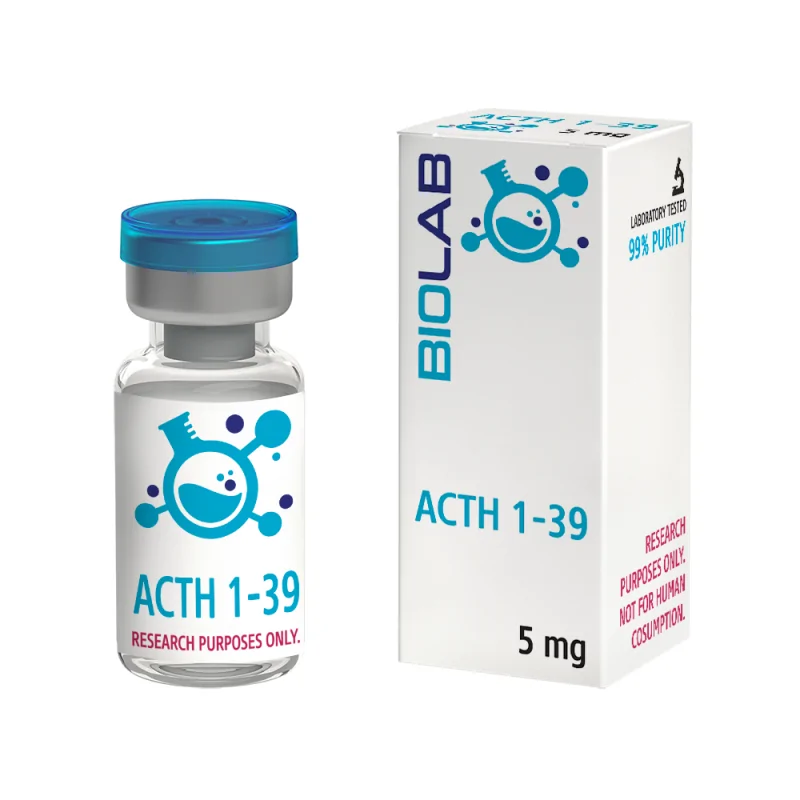
ACTH 1-39, or Adrenocorticotropic Hormone, is a 39-amino acid polypeptide naturally produced and secreted by the anterior pituitary gland. It serves as a vital component of the hypothalamic-pituitary-adrenal (HPA) axis, acting as the primary messenger to the adrenal cortex. While many research fragments like Semax focus on the initial 4-10 sequence, the full 1-39 chain is essential for stimulating the production of glucocorticoids. Consequently, researchers in the UK, USA, and Australia utilize this full-length peptide to study comprehensive endocrine responses and systemic stress management.
Mechanism of Action and Cortisol Regulation
The primary biological role of ACTH 1-39 is to bind with high affinity to the melanocortin 2 receptor (MC2R) located in the adrenal glands. Once bound, it triggers the synthesis and release of cortisol, which is the body’s principal stress hormone. Beyond cortisol, the peptide also influences the secretion of aldosterone and androgenic precursors in certain experimental models. Therefore, it is a critical subject for scientists in Germany and France who are investigating the underlying mechanisms of adrenal insufficiency and hypercortisolism.
Neurological and Anti-Inflammatory Properties Of ACTH 1-39
Beyond its classic endocrine functions, ACTH 1-39 exhibits significant activity within the central nervous system. It acts on various melanocortin receptors to produce potent anti-inflammatory and neuroprotective effects. Researchers often observe that the peptide can modulate microglial activation and reduce neuroinflammation in models of autoimmune distress. Consequently, laboratories in Spain and the USA are exploring its potential in the context of multiple sclerosis and other complex inflammatory conditions. By stabilizing neural environments, it helps maintain long-term cognitive resilience.
Comparative Research and Peptide Fragments
In clinical science, it is crucial to distinguish the effects of ACTH 1-39 from shorter analogues like ACTH 4-10 or 1-24. While the shorter fragments often lose their adrenal-stimulating properties, the 1-39 sequence retains its full melanocortin signaling capability. This makes it an indispensable tool for researchers who require the complete physiological profile of the hormone. Furthermore, scientists in Australia and Germany use the full-length peptide to establish baseline data when testing the efficacy of newer, synthetic melanocortin agonists.
Sourcing and Quality Control for Global Research
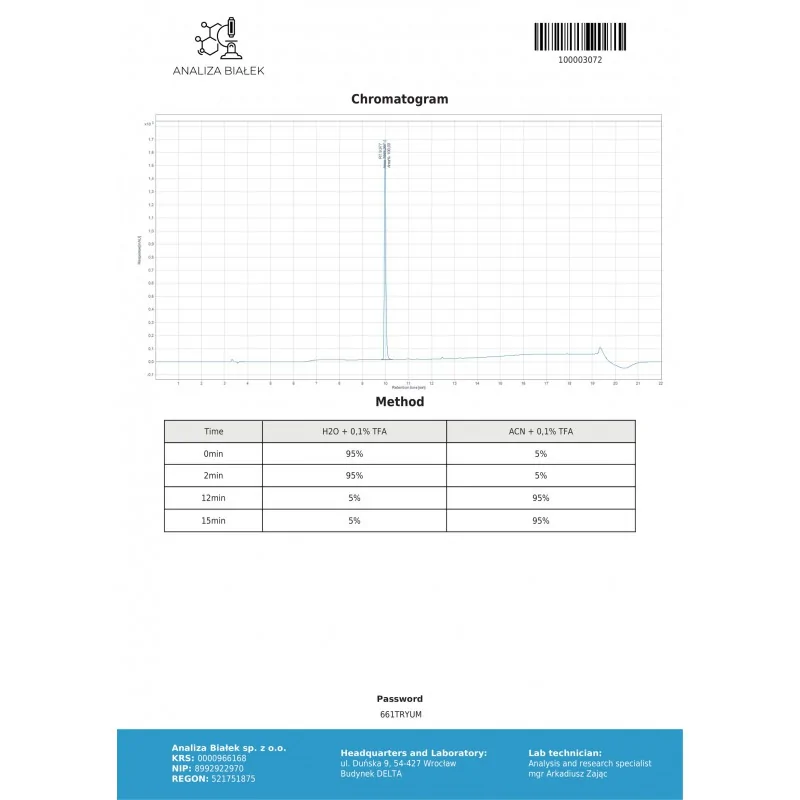
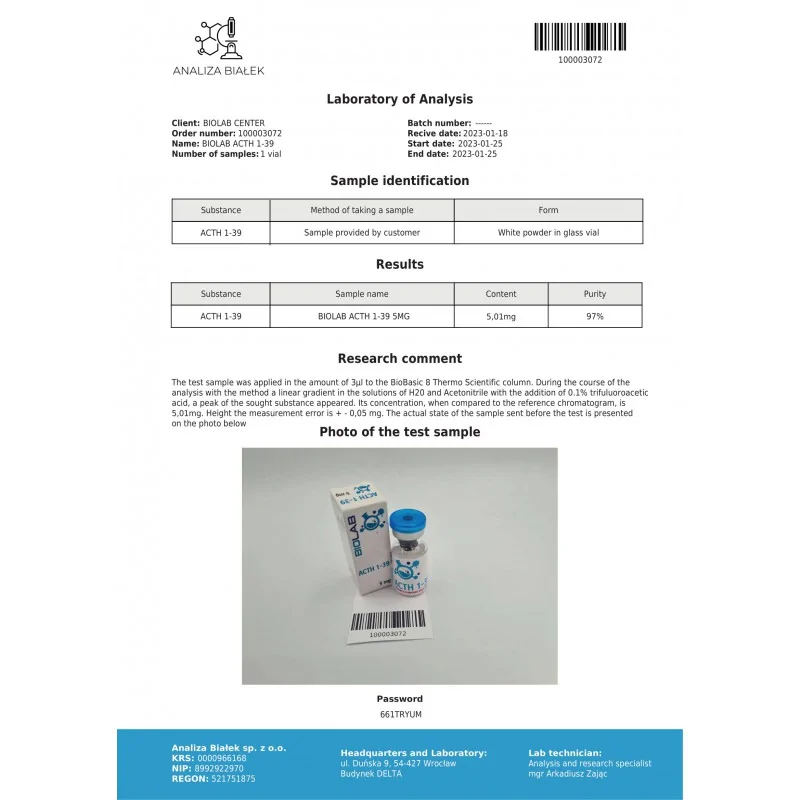
For laboratories in the UK, France, and Spain, ensuring the highest level of chemical purity is mandatory for achieving valid experimental outcomes. ACTH 1-39 is typically supplied in a lyophilized (freeze-dried) state to protect the delicate 39-amino acid chain from degradation during shipping. To preserve its biological activity, you must store the product in a freezer at -20°C. Once reconstituted with sterile water, researchers should handle the solution with care to prevent peptide shearing. By following these strict standards, global research hubs can safely advance our understanding of hormonal regulation and systemic repair.
Reviews
There are no reviews yet.